 rus
rus


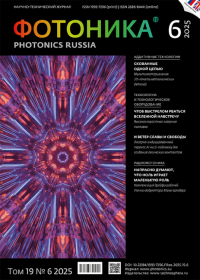
Issue #6/2025
A. V. Repnin, E. V. Borisov, A. A. Popovich
Multi-material 3D Printing: The Role of Substrate-based Synthesis
Multi-material 3D Printing: The Role of Substrate-based Synthesis

DOI: 10.22184/1993-7296.FRos.2025.19.6.428.442
Multimaterial 3D printing by the substrate-based synthesis (SBS) method is a promising approach to obtain the products with the locally variable properties. However, the processing limits associated with various differences in the physicochemical properties of the materials being combined and the lack of a systematic classification hinder the development of this area. A new classification of multi-materials for SBS has been developed that includes three groups: homogeneous alloys (based on a single metal), dissimilar weldable alloys, and dissimilar non-weldable alloys. The features of transition zones for seven systems (VT6/VT1-0, AlSi10Mg/Al-Si-Mg-Cu, 316L/FeNi36, VZh159/BrKhTsrT V, Ti6Al4V/Inconel 718, 316L/NiTi) have been studied. It has been established that the number of defects, microstructure, and phase composition of the transition zone are determined by the type of alloy combination. The developed classification allows us to systematize the research works, optimize printing parameters, including of the laser tools, and predict any possible problems occurred when developing new multi-material systems.
Multimaterial 3D printing by the substrate-based synthesis (SBS) method is a promising approach to obtain the products with the locally variable properties. However, the processing limits associated with various differences in the physicochemical properties of the materials being combined and the lack of a systematic classification hinder the development of this area. A new classification of multi-materials for SBS has been developed that includes three groups: homogeneous alloys (based on a single metal), dissimilar weldable alloys, and dissimilar non-weldable alloys. The features of transition zones for seven systems (VT6/VT1-0, AlSi10Mg/Al-Si-Mg-Cu, 316L/FeNi36, VZh159/BrKhTsrT V, Ti6Al4V/Inconel 718, 316L/NiTi) have been studied. It has been established that the number of defects, microstructure, and phase composition of the transition zone are determined by the type of alloy combination. The developed classification allows us to systematize the research works, optimize printing parameters, including of the laser tools, and predict any possible problems occurred when developing new multi-material systems.
Теги: multi-material 3d printing multi-material classification substrate-based synthesis классификация мультиматериалов мультиматериальная 3d-печать синтез на подожке
Multi-material 3D Printing: The Role of Substrate-based Synthesis
A. V. Repnin, E. V. Borisov, A. A. Popovich
Peter the Great Saint-Petersburg Polytechnic University, Saint-Petersburg, Russia
Multimaterial 3D printing by the substrate-based synthesis (SBS) method is a promising approach to obtain the products with the locally variable properties. However, the processing limits associated with various differences in the physicochemical properties of the materials being combined and the lack of a systematic classification hinder the development of this area. A new classification of multi-materials for SBS has been developed that includes three groups: homogeneous alloys (based on a single metal), dissimilar weldable alloys, and dissimilar non-weldable alloys. The features of transition zones for seven systems (VT6/VT1-0, AlSi10Mg/Al-Si-Mg-Cu, 316L/FeNi36, VZh159/BrKhTsrT V, Ti6Al4V/Inconel 718, 316L/NiTi) have been studied. It has been established that the number of defects, microstructure, and phase composition of the transition zone are determined by the type of alloy combination. The developed classification allows us to systematize the research works, optimize printing parameters, including of the laser tools, and predict any possible problems occurred when developing new multi-material systems.
Keywords: multi-material 3D printing, substrate-based synthesis, multi-material classification
Article received: 27.08.2025
Article accepted: 19.09.2025
1. Introduction
The multi-material structure, combining dissimilar metals or alloys in a single item, is becoming a key tool in the development of parts with combined properties, such as heat resistance and lightness or wear resistance and ductility [1–3]. Historically, such products were produced by the welding, diffusion bonding, or composite casting methods. However, these approaches are often limited by the risk of delamination, high cost, and the complexity of generating comprehensive geometries [4–6]. The development of additive manufacturing (AM), in particular the substrate-based synthesis (SBS) process, has made it possible to create a new method for producing multi-materials, while providing precise control over the composition and structure during their production process [7, 8]. In comparison to the conventional technologies, the SBS technology allows the manufacture of products with a given material distribution due to the selective melting of metal powders using a high-power radiation source (laser or electron beam) [9]. This opens up space for the production of items with the local changes in chemical composition that can find application in such diverse areas as energy, robotics, and automotive engineering [10] (Fig. 1).
However, certain difficulties in the SBS application to develop the multi-materials remain pending, such as the thermal stress control during melting of dissimilar powders, optimization of laser parameters to minimize the defects, and manufacture of products from the non-weldable alloys [11]. Despite this, the SBS sets a new standard in additive manufacturing of multi-materials, while combining the design flexibility with unique operating characteristics [12].
In the context of multi-material 3D printing using the SBS process, the greatest attention of researchers is attracted by the binary metal systems demonstrating technological compatibility and functional synergy [13]. Among the titanium systems, a combination of Ti‑6Al‑4V with pure titanium (Cp-Ti) is actively studied, since it provides a gradient transition of mechanical properties while maintaining the biocompatibility for medical implants [14]. The promising option is the combinations of various titanium alloys, for example, Ti‑6Al‑4V with Ti‑6Al‑2Sn‑4Zr‑2Mo, allowing to optimize low weight and heat resistance [15]. The aluminum-copper system (AlSi10Mg/C18400) is actively studied for the heat exchange devices, where a combination of the lightness of aluminum structures with the high thermal conductivity of copper is required [16].
The combinations of heat-resistant nickel alloys with copper alloys are of considerable interest (Inconel 718/CuCr1Zr) for the development of products with the localized heat dissipation under the high-temperature conditions [17]. Similarly, the stainless steel-copper systems (316L/CuCr1Zr) are being studied, since they provide a combination of corrosion resistance with excellent thermal conductivity [18]. The combinations of various steels (H13/316L) are rather promising, while allowing the development of products with gradient hardness properties [19]. The main challenges include the differences in melting temperatures, thermal expansion coefficients, and the tendency to form brittle intermetallic phases in the material jointing zone [20].
An analysis of published results has shown a significant and growing research efforts devoted to the multi-material structures manufactured by the SBS method. However, despite active studies, the number of fundamentally different and widely implemented multi-material systems is limited to the generally accepted materials. This is due to a set of serious processing barriers. Firstly, the SBS equipment is often not optimized for the efficient and reliable operation with several powder materials that requires precise dosing control and feeding of dissimilar powders to the scanning area. Secondly, the key limitation is the fundamental differences in the physicochemical nature of materials being joined. The difference in temperatures leads to the difficulties in selecting a single energy mode of laser radiation or electron beam that ensures complete fusion of both materials without underfusion or overheating. The differences in thermal expansion coefficients are the main cause of significant residual stresses and deformations, as well as the risk of delamination or cracking, especially in the transition zone between the materials. In addition, as mentioned previously, there is a tendency of many metal combinations (especially Fe-Cu, Al-Ti, Al-Fe, Ni-Al, Ti-Cu) to form brittle intermetallic phases in the jointing area that dramatically reduces the mechanical strength and reliability of the product.
Such processing and materials engineering challenges make the development of new multi-material systems by numerous trials and errors rather costly and time-consuming. In this regard, an urgent need for accumulated knowledge systematization becomes obvious. At present, there is no generally accepted classification of multi-materials manufactured by the SBS method. Such a classification would help to structure the research field. It would assist to identify general patterns applicable to the groups of materials, optimize the printing parameter strategies for these groups, predict any issues and control the development of new promising combinations. The aim of this paper is to fill this gap by developing such a classification based on the literature analysis and, most importantly, on the experience of the authors’ own experimental studies in the field of multi-material SBS.
2. Materials and methods
The selection of materials for the multi-material systems is determined by several key criteria. The combination shall ensure a local change in properties while maintaining the economic efficiency, technological feasibility and operational suitability. For example, the product area reinforcement with the material “B” instead of the basic material “A” requires an assessment: whether the material “B” is superior in strength, whether its cost is justified compared to a complete replacement or local application with due regard to the costs of multi-material production. The technological compatibility of materials is critically important due to the possible limitations of a physical and chemical nature. These factors and the current processing capabilities (e. g., SBS) significantly limit the number of possible combinations.
Based on the literature review and our own experimental studies of multi-materials obtained by the SBS method, it is clear that in many cases the local properties of individual areas have values typical for a particular alloy. In this regard, it is more appropriate to focus on such a component of multi-materials as the transition zone in the studies. The transition zone is the interaction result of two materials during the manufacturing process. It has certain features that are determined by the selected technological process. For example, when using SBS, where the main operation is the powder layer melting with a high-energy source, the following features may develop: formation of defects due to the inconsistency between the production parameters and the chemical composition; changed microstructure, chemical and phase composition, as well as the transition zone hardness due to the mixing of two alloys during melting and diffusion of elements after crystallization. These features should be studied to assess their impact on the entire properties of multi-materials. The authors conducted studies of such multi-material systems as VZh159/BrKhTsrT V [21], VT6/VT1-0 [22], 316L/NiTi [23], AlSi10Mg/Al-Si-Mg-Cu, 316L/FeNi36 [24], Ti6Al4V/Inconel 718 [25], etc. The multi-materials were manufactured using a 3DLam Mini selective laser melting (SLM) machine. The factory model of the 3D printer was modified to obtain the multi-material samples. The powder feed system was amended by adding a supplementary hopper for the second material and a dosing device. A number of multi-materials were also manufactured using a 280HL SLM machine manufactured by SLM Solutions Gmb H. The production modes for the multi-material samples on the above-mentioned machines are iven in Table 1. A comprehensive analysis of defect formation, microstructure, chemical and phase composition in the transition zone was performed.
3. Results and discussion
3.1. Analysis of Main Features of the Multi-Material Transition Zone
To obtain a classification, it is necessary to analyze the main features that may occur in the transition zone of multi-materials.
1. Formation of porosity
The occurrence of porosity in the transition zone of multi-materials is possible for two reasons, namely, excess melting energy of the material and insufficient energy. In the case of excess energy, the gas porosity is formed (Fig. 2a). In that event, the pores have a spherical shape. In the case of insufficient energy, the non-spherical pores are formed that occur due to the incomplete fusion of powder particles (Fig. 2b). This type of defect can be eliminated by selecting the parameters for the first new material layers.
2. Crack formation
One of the reasons for crack formation is a mismatch of the thermal expansion coefficients of two materials. This feature causes uneven shrinkage that leads to the increased thermal stresses. The second reason for crack formation may be the available undesirable phases, such as embrittling intermetallides. It is important to note that these phases may not be available in individual alloys, but may occur when two materials are fused (Fig. 3a). One option for combating this issue is to use a transition layer of metals and alloys (Fig. 3b). In this case, the transition layer shall act as a “buffer” that prevents any contact between two materials.
3. Width of the transition zone
Depending on the selected materials, or more precisely, on the physical properties of metals and alloys (melting point, absorption capacity, thermal conductivity, etc.) and the product manufacturing modes using the SBS method, the transition zone width shall be changed. There may be any cases when the interface region has a sharp transition (Fig. 4a). In this case, the increased stresses may occur in the transition zone that may lead to the deteriorated properties of multi-material products. Another option is the formation of a wide transition zone (Fig. 4b and 3c). In such cases, mixing of metals and alloys in the transition zone is rather common. However, this also cannot be called a favorable factor, since, firstly, an unspecified chemical composition is generated in the transition zone, for which the production modes have not been selected while possibly leading to the defects. Secondly, the embrittling intermetallides can be developed in the transition zone, and the wider this zone is, the more likely their occurrence and increase in their quantity are.
4. Phase formation in the transition zone
The formation of new phases in the transition zone can be attributed to both a positive and a negative factor. If, during the interaction of two materials, the phases that promote strengthening are generated as a result of melting, it can have a beneficial effect. In turn, the phases that reduce the strength properties of the joint can be formed. In most cases, such phases are classified as the embrittling intermetallides. Their availability in the transition zone leads to the crack formation and delamination during the printing process. In some cases, even the application of transition layers does not completely eliminate the issue of crack formation (Fig. 5).
3.2. Classification of multi-materials
Based on the above-mentioned features of the transition zone, it is possible to obtain a classification of multi-materials produced by the SBS method. This classification will allow systematizing the future studies of multi-materials obtained by the SBS method. It is proposed to use three main groups of multi-materials (Fig. 6):
Multi-materials based on homogeneous alloys;
Multi-materials based on dissimilar weldable alloys;
Multi-materials based on dissimilar non-weldable alloys.
Such term as “homogeneous alloys” does not exist, but we introduce it for this classification. According to this term, the homogeneous alloys are any alloys based on one metal. The next group of multi-materials include the multi-materials based on dissimilar weldable alloys. There is no such definition either, and it is also introduced for this classification: the dissimilar weldable alloys are any alloys based on different metals. The last group of multi-materials are dissimilar non-weldable alloys, i. e. the alloys between which there is no weldability. Based on the obtained classification, the studied multi-materials can be divided into the following groups: multi-materials based on homogeneous alloys – VT6/VT1-0, AlSi10Mg/Al-Si-Mg-Cu and 316L/FeNi36, multi-materials based on dissimilar weldable alloys – VZh159/BrKhTsrT V, multi-materials based on dissimilar non-weldable alloys – Ti6Al4V/Inconel 718 and 316L/NiTi.
3.3. Multi-materials Based on Homogeneous Alloys
In the transition zone of homogeneous alloys (VT6/VT1-0, AlSi10Mg/Al-Si-Mg-Cu and 316L/FeNi36), there are not many defects. They may contain single pores, there is a single mixture of two alloys. It should be noted that, given this feature, there is no need to select any production modes for homogeneous multi-materials and it is possible to use the already developed modes for alloys.
The microstructure in homogeneous multi-materials does not have any significant changes when passing from one alloy to another. In the VT6/VT1-0 system, the microstructure is clearly visible in the VT6 alloy area that is characterized by lamellas of the α + β phases. In the VT1-0 alloy region, the microstructure is a basket weave structure consisting of the α-phase. When passing from the VT6 alloy to the VT1-0 alloy, a gradient change in Al and V occurs. The study of chemical composition in the AlSi10Mg/Al-Si-Mg-Cu system indicates that Si is available in the AlSi10Mg area. Moreover, the particles enriched with Cu-Al2Cu are released as a secondary phase in the Al-Si-Mg-Cu area. The microstructure of 316L/FeNi36 system is represented by the large grains with epitaxial growth that are distributed in the growth direction. The studied region can be divided into three various zones: the FeNi36 composition zone, the transition zone and the 316L zone.
In the homogeneous multi-materials, no new phases are formed during the SBS manufacturing process. In the AlSi10Mg/Al-Si-Mg-Cu system, only Al and Si are observed in the alloy area without copper, and no other phases are available. In the alloy zone with copper, a small amount of Al2Cu is added to Al and Si. Analysis of the phase composition of 316L/FeNi36 system indicates that it contains γ-Fe, γ-Fe64Ni36 and α-Fe. The presence of the latter can be explained by the fact that a zone with an increased Fe content has been developed in the FeNi 36 region.
3.4. Multi-materials Based on Dissimilar Weldable Alloys
In the transition zone of dissimilar welded alloys, a large number of defects are observed that is associated with the significant differences in the alloy physical properties, regardless of the printing order for a particular alloy. Optimization of the printing parameters of the transition layers stabilizes the melting process and reduces the number of defects; for example, for the transition zone of BrHTsrT V/VZh159 this is equal to 325 or 375 J/mm3, and for the transition zone of VZh159/BrHTsrT V this is equal to 120 or 140 J/mm3.
In the dissimilar welded alloys, the microstructure has a pronounced change when passing from one alloy to another. When analyzing the element distribution in the transition zone of the multi-material system VZh159/BrKhTsrT V, it is worth noting the availability of a region on the copper alloy side, where Ni is present in addition to Cu. The same situation is observed on the VZh 159 side, where there is a region with available Ni and Cu. No new phases are formed in the transition zone, and the peaks corresponding to the phases for both alloys are observed.
3.5. Multi-materials Based on Dissimilar Non-Weldable Alloys
The production of multi-materials using the dissimilar non-weldable alloys by the SBS method is not technologically feasible. A large number of defects are generated in the transition zone of dissimilar non-weldable alloys that is associated with some differences in their physical properties and with the formation of embrittling phases during the SBS process. In this case, the selection of optimal printing modes is not efficient. A possible solution to this issue is the use of transition layers. For the Ti6Al4V/Inconel 718 system, the transition layers made of Cu and Cu + Nb were applied. For the 316L/NiTi system, a transition layer of HEA (CoCrFeNiMn) was used.
For the Ti6Al4V/Inconel 718 system, the transition zones of copper alloys do not have any significant defects, but they contain some areas of alloy mixing. In the 316L/NiTi system, the transition zone of HEA/NiTi is specified by the strong alloy mixing, multiple cracks, and a small number of pores. The probable cause of crack formation is the phase features of the transition zone formation.
Microstructure of heterogeneous non-weldable multi-materials has a significant change when passing from one alloy to another. As a result of the sample etching process, the effect of metal and alloy mixing in the transition zone of heterogeneous multi-material samples can be more clearly observed. The development of insular macro-segregation is visible that is explained by the Marangoni effect.
In the Ti6Al4V/Inconel 718 multi-material, there is a fairly sharp transition of the main element of the nickel alloy to Cu, but the copper amount is changed more smoothly when moving to the titanium alloy. It can be concluded that the transition zone between Cu and the titanium alloy will be larger than between Cu and the nickel alloy. The transition zones of Ti6Al4V/ Nb and Inconel 718/Cu have a fairly sharp transition in the content of the main elements. The opposite situation is observed in the Nb/Cu transition zone, where there is a gradual transition from one element to another.
No new phases are formed during the production of Ti6Al4V/Inconel 718 samples. That is, the use of a transition layer eliminates the issue of embrittling intermetallide generation. The study of the 316L/NiTi system microstructure indicates that insular macro-segregation is developed in the transition zone. An increase in the iron content and enhanced hardness values in the insular macro-segregations may indicate the formation of such an embrittling intermetallic compound as FeTi that is clearly visible in the diffraction patterns.
Based on the classification obtained (Fig. 6) and the conducted studies, it is possible to compare the groups of multi-materials with each other, as well as to highlight the main conclusions devoted to the specifications of transition zones (Table 2).
Conclusion
A classification of multi-materials manufactured by the SBS method has been developed and experimentally verified based on the study of transition zones. The defect formation, microstructure and phase composition of the transition zones of various multi-materials have been investigated. The main results are given below:
Classification of multi-materials:
Homogeneous alloys (e. g. Ti6Al4V/Cp-Ti): minimal defects, no new phases, gradient chemical composition in the transition zone.
Dissimilar welded alloys (e. g. VZh159/BrKhTsrT): the defects are minimized by the printing parameter optimization.
Dissimilar non-weldable alloys (e. g. Ti6Al4V/Inconel 718): cracks and embrittling intermetallides (without the use of transition layers).
Key patterns of the transition zones:
The porosity is determined by the laser energy in the transition zone (spherical porosity in the case of excess energy, non-spherical porosity in the case of insufficient energy).
The cracks are caused by the differences in material CTEs and the formation of brittle phases (for example, FeTi in 316L/NiTi).
The transition zone width depends on the physical properties of alloys: the sharp transitions provoke stress, the wide zones lead to uncontrolled mixing.
Practical significance:
This classification allows predicting various defects, optimizing the printing modes and accelerating the development of products with a multi-material structure.
Acknowledgment
The study was performed with the financial support of the Ministry of Science and Higher Education of the Russian Federation (grant provision agreement No. 075-03-2025-256).
Information about the authors
Repnin Arseniy Vyacheslavovich – Cand.of Sc. (Tech.), engineer of the laboratory “Synthesis of new materials and structures”, Peter the Great Saint-Petersburg Polytechnic University, e-mail: repnin_arseniy@mail.ru; SaintPetersburg, Russia.
ORCID: 0009-0001-3157-3317
Borisov Evgeny Vladislavovich – Cand.of Sc. (Tech.), leading research fellow of the laboratory “Synthesis of new materials and structures”, Peter the Great Saint-Petersburg Polytechnic University, e-mail: evgenii.borisov@icloud.com; Saint-Petersburg, Russia.
ORCID: 0000-0003-2464-6706
Popovich Anatoly Anatolievich – Dr.of Sc. (Tech.), professor, director of the Institute of Mechanical Engineering, Materials and Transport, Peter the Great Saint-Petersburg Polytechnic University, e-mail: director@immet.spbstu.ru; Saint-Petersburg, Russia.
ORCID: 0000-0002-5974-6654
Authors’ contributions
Repnin A. V.: research, formal analysis, manuscript writing and editing; Borisov E. V.: methodology, manuscript writing and editing, project management; Popovich A. A.: conceptualization, funding acquisition, resources.
Conflict of interest
The authors confirm that they have no known financial or interpersonal conflicts that could have influenced the research presented in this paper.
A. V. Repnin, E. V. Borisov, A. A. Popovich
Peter the Great Saint-Petersburg Polytechnic University, Saint-Petersburg, Russia
Multimaterial 3D printing by the substrate-based synthesis (SBS) method is a promising approach to obtain the products with the locally variable properties. However, the processing limits associated with various differences in the physicochemical properties of the materials being combined and the lack of a systematic classification hinder the development of this area. A new classification of multi-materials for SBS has been developed that includes three groups: homogeneous alloys (based on a single metal), dissimilar weldable alloys, and dissimilar non-weldable alloys. The features of transition zones for seven systems (VT6/VT1-0, AlSi10Mg/Al-Si-Mg-Cu, 316L/FeNi36, VZh159/BrKhTsrT V, Ti6Al4V/Inconel 718, 316L/NiTi) have been studied. It has been established that the number of defects, microstructure, and phase composition of the transition zone are determined by the type of alloy combination. The developed classification allows us to systematize the research works, optimize printing parameters, including of the laser tools, and predict any possible problems occurred when developing new multi-material systems.
Keywords: multi-material 3D printing, substrate-based synthesis, multi-material classification
Article received: 27.08.2025
Article accepted: 19.09.2025
1. Introduction
The multi-material structure, combining dissimilar metals or alloys in a single item, is becoming a key tool in the development of parts with combined properties, such as heat resistance and lightness or wear resistance and ductility [1–3]. Historically, such products were produced by the welding, diffusion bonding, or composite casting methods. However, these approaches are often limited by the risk of delamination, high cost, and the complexity of generating comprehensive geometries [4–6]. The development of additive manufacturing (AM), in particular the substrate-based synthesis (SBS) process, has made it possible to create a new method for producing multi-materials, while providing precise control over the composition and structure during their production process [7, 8]. In comparison to the conventional technologies, the SBS technology allows the manufacture of products with a given material distribution due to the selective melting of metal powders using a high-power radiation source (laser or electron beam) [9]. This opens up space for the production of items with the local changes in chemical composition that can find application in such diverse areas as energy, robotics, and automotive engineering [10] (Fig. 1).
However, certain difficulties in the SBS application to develop the multi-materials remain pending, such as the thermal stress control during melting of dissimilar powders, optimization of laser parameters to minimize the defects, and manufacture of products from the non-weldable alloys [11]. Despite this, the SBS sets a new standard in additive manufacturing of multi-materials, while combining the design flexibility with unique operating characteristics [12].
In the context of multi-material 3D printing using the SBS process, the greatest attention of researchers is attracted by the binary metal systems demonstrating technological compatibility and functional synergy [13]. Among the titanium systems, a combination of Ti‑6Al‑4V with pure titanium (Cp-Ti) is actively studied, since it provides a gradient transition of mechanical properties while maintaining the biocompatibility for medical implants [14]. The promising option is the combinations of various titanium alloys, for example, Ti‑6Al‑4V with Ti‑6Al‑2Sn‑4Zr‑2Mo, allowing to optimize low weight and heat resistance [15]. The aluminum-copper system (AlSi10Mg/C18400) is actively studied for the heat exchange devices, where a combination of the lightness of aluminum structures with the high thermal conductivity of copper is required [16].
The combinations of heat-resistant nickel alloys with copper alloys are of considerable interest (Inconel 718/CuCr1Zr) for the development of products with the localized heat dissipation under the high-temperature conditions [17]. Similarly, the stainless steel-copper systems (316L/CuCr1Zr) are being studied, since they provide a combination of corrosion resistance with excellent thermal conductivity [18]. The combinations of various steels (H13/316L) are rather promising, while allowing the development of products with gradient hardness properties [19]. The main challenges include the differences in melting temperatures, thermal expansion coefficients, and the tendency to form brittle intermetallic phases in the material jointing zone [20].
An analysis of published results has shown a significant and growing research efforts devoted to the multi-material structures manufactured by the SBS method. However, despite active studies, the number of fundamentally different and widely implemented multi-material systems is limited to the generally accepted materials. This is due to a set of serious processing barriers. Firstly, the SBS equipment is often not optimized for the efficient and reliable operation with several powder materials that requires precise dosing control and feeding of dissimilar powders to the scanning area. Secondly, the key limitation is the fundamental differences in the physicochemical nature of materials being joined. The difference in temperatures leads to the difficulties in selecting a single energy mode of laser radiation or electron beam that ensures complete fusion of both materials without underfusion or overheating. The differences in thermal expansion coefficients are the main cause of significant residual stresses and deformations, as well as the risk of delamination or cracking, especially in the transition zone between the materials. In addition, as mentioned previously, there is a tendency of many metal combinations (especially Fe-Cu, Al-Ti, Al-Fe, Ni-Al, Ti-Cu) to form brittle intermetallic phases in the jointing area that dramatically reduces the mechanical strength and reliability of the product.
Such processing and materials engineering challenges make the development of new multi-material systems by numerous trials and errors rather costly and time-consuming. In this regard, an urgent need for accumulated knowledge systematization becomes obvious. At present, there is no generally accepted classification of multi-materials manufactured by the SBS method. Such a classification would help to structure the research field. It would assist to identify general patterns applicable to the groups of materials, optimize the printing parameter strategies for these groups, predict any issues and control the development of new promising combinations. The aim of this paper is to fill this gap by developing such a classification based on the literature analysis and, most importantly, on the experience of the authors’ own experimental studies in the field of multi-material SBS.
2. Materials and methods
The selection of materials for the multi-material systems is determined by several key criteria. The combination shall ensure a local change in properties while maintaining the economic efficiency, technological feasibility and operational suitability. For example, the product area reinforcement with the material “B” instead of the basic material “A” requires an assessment: whether the material “B” is superior in strength, whether its cost is justified compared to a complete replacement or local application with due regard to the costs of multi-material production. The technological compatibility of materials is critically important due to the possible limitations of a physical and chemical nature. These factors and the current processing capabilities (e. g., SBS) significantly limit the number of possible combinations.
Based on the literature review and our own experimental studies of multi-materials obtained by the SBS method, it is clear that in many cases the local properties of individual areas have values typical for a particular alloy. In this regard, it is more appropriate to focus on such a component of multi-materials as the transition zone in the studies. The transition zone is the interaction result of two materials during the manufacturing process. It has certain features that are determined by the selected technological process. For example, when using SBS, where the main operation is the powder layer melting with a high-energy source, the following features may develop: formation of defects due to the inconsistency between the production parameters and the chemical composition; changed microstructure, chemical and phase composition, as well as the transition zone hardness due to the mixing of two alloys during melting and diffusion of elements after crystallization. These features should be studied to assess their impact on the entire properties of multi-materials. The authors conducted studies of such multi-material systems as VZh159/BrKhTsrT V [21], VT6/VT1-0 [22], 316L/NiTi [23], AlSi10Mg/Al-Si-Mg-Cu, 316L/FeNi36 [24], Ti6Al4V/Inconel 718 [25], etc. The multi-materials were manufactured using a 3DLam Mini selective laser melting (SLM) machine. The factory model of the 3D printer was modified to obtain the multi-material samples. The powder feed system was amended by adding a supplementary hopper for the second material and a dosing device. A number of multi-materials were also manufactured using a 280HL SLM machine manufactured by SLM Solutions Gmb H. The production modes for the multi-material samples on the above-mentioned machines are iven in Table 1. A comprehensive analysis of defect formation, microstructure, chemical and phase composition in the transition zone was performed.
3. Results and discussion
3.1. Analysis of Main Features of the Multi-Material Transition Zone
To obtain a classification, it is necessary to analyze the main features that may occur in the transition zone of multi-materials.
1. Formation of porosity
The occurrence of porosity in the transition zone of multi-materials is possible for two reasons, namely, excess melting energy of the material and insufficient energy. In the case of excess energy, the gas porosity is formed (Fig. 2a). In that event, the pores have a spherical shape. In the case of insufficient energy, the non-spherical pores are formed that occur due to the incomplete fusion of powder particles (Fig. 2b). This type of defect can be eliminated by selecting the parameters for the first new material layers.
2. Crack formation
One of the reasons for crack formation is a mismatch of the thermal expansion coefficients of two materials. This feature causes uneven shrinkage that leads to the increased thermal stresses. The second reason for crack formation may be the available undesirable phases, such as embrittling intermetallides. It is important to note that these phases may not be available in individual alloys, but may occur when two materials are fused (Fig. 3a). One option for combating this issue is to use a transition layer of metals and alloys (Fig. 3b). In this case, the transition layer shall act as a “buffer” that prevents any contact between two materials.
3. Width of the transition zone
Depending on the selected materials, or more precisely, on the physical properties of metals and alloys (melting point, absorption capacity, thermal conductivity, etc.) and the product manufacturing modes using the SBS method, the transition zone width shall be changed. There may be any cases when the interface region has a sharp transition (Fig. 4a). In this case, the increased stresses may occur in the transition zone that may lead to the deteriorated properties of multi-material products. Another option is the formation of a wide transition zone (Fig. 4b and 3c). In such cases, mixing of metals and alloys in the transition zone is rather common. However, this also cannot be called a favorable factor, since, firstly, an unspecified chemical composition is generated in the transition zone, for which the production modes have not been selected while possibly leading to the defects. Secondly, the embrittling intermetallides can be developed in the transition zone, and the wider this zone is, the more likely their occurrence and increase in their quantity are.
4. Phase formation in the transition zone
The formation of new phases in the transition zone can be attributed to both a positive and a negative factor. If, during the interaction of two materials, the phases that promote strengthening are generated as a result of melting, it can have a beneficial effect. In turn, the phases that reduce the strength properties of the joint can be formed. In most cases, such phases are classified as the embrittling intermetallides. Their availability in the transition zone leads to the crack formation and delamination during the printing process. In some cases, even the application of transition layers does not completely eliminate the issue of crack formation (Fig. 5).
3.2. Classification of multi-materials
Based on the above-mentioned features of the transition zone, it is possible to obtain a classification of multi-materials produced by the SBS method. This classification will allow systematizing the future studies of multi-materials obtained by the SBS method. It is proposed to use three main groups of multi-materials (Fig. 6):
Multi-materials based on homogeneous alloys;
Multi-materials based on dissimilar weldable alloys;
Multi-materials based on dissimilar non-weldable alloys.
Such term as “homogeneous alloys” does not exist, but we introduce it for this classification. According to this term, the homogeneous alloys are any alloys based on one metal. The next group of multi-materials include the multi-materials based on dissimilar weldable alloys. There is no such definition either, and it is also introduced for this classification: the dissimilar weldable alloys are any alloys based on different metals. The last group of multi-materials are dissimilar non-weldable alloys, i. e. the alloys between which there is no weldability. Based on the obtained classification, the studied multi-materials can be divided into the following groups: multi-materials based on homogeneous alloys – VT6/VT1-0, AlSi10Mg/Al-Si-Mg-Cu and 316L/FeNi36, multi-materials based on dissimilar weldable alloys – VZh159/BrKhTsrT V, multi-materials based on dissimilar non-weldable alloys – Ti6Al4V/Inconel 718 and 316L/NiTi.
3.3. Multi-materials Based on Homogeneous Alloys
In the transition zone of homogeneous alloys (VT6/VT1-0, AlSi10Mg/Al-Si-Mg-Cu and 316L/FeNi36), there are not many defects. They may contain single pores, there is a single mixture of two alloys. It should be noted that, given this feature, there is no need to select any production modes for homogeneous multi-materials and it is possible to use the already developed modes for alloys.
The microstructure in homogeneous multi-materials does not have any significant changes when passing from one alloy to another. In the VT6/VT1-0 system, the microstructure is clearly visible in the VT6 alloy area that is characterized by lamellas of the α + β phases. In the VT1-0 alloy region, the microstructure is a basket weave structure consisting of the α-phase. When passing from the VT6 alloy to the VT1-0 alloy, a gradient change in Al and V occurs. The study of chemical composition in the AlSi10Mg/Al-Si-Mg-Cu system indicates that Si is available in the AlSi10Mg area. Moreover, the particles enriched with Cu-Al2Cu are released as a secondary phase in the Al-Si-Mg-Cu area. The microstructure of 316L/FeNi36 system is represented by the large grains with epitaxial growth that are distributed in the growth direction. The studied region can be divided into three various zones: the FeNi36 composition zone, the transition zone and the 316L zone.
In the homogeneous multi-materials, no new phases are formed during the SBS manufacturing process. In the AlSi10Mg/Al-Si-Mg-Cu system, only Al and Si are observed in the alloy area without copper, and no other phases are available. In the alloy zone with copper, a small amount of Al2Cu is added to Al and Si. Analysis of the phase composition of 316L/FeNi36 system indicates that it contains γ-Fe, γ-Fe64Ni36 and α-Fe. The presence of the latter can be explained by the fact that a zone with an increased Fe content has been developed in the FeNi 36 region.
3.4. Multi-materials Based on Dissimilar Weldable Alloys
In the transition zone of dissimilar welded alloys, a large number of defects are observed that is associated with the significant differences in the alloy physical properties, regardless of the printing order for a particular alloy. Optimization of the printing parameters of the transition layers stabilizes the melting process and reduces the number of defects; for example, for the transition zone of BrHTsrT V/VZh159 this is equal to 325 or 375 J/mm3, and for the transition zone of VZh159/BrHTsrT V this is equal to 120 or 140 J/mm3.
In the dissimilar welded alloys, the microstructure has a pronounced change when passing from one alloy to another. When analyzing the element distribution in the transition zone of the multi-material system VZh159/BrKhTsrT V, it is worth noting the availability of a region on the copper alloy side, where Ni is present in addition to Cu. The same situation is observed on the VZh 159 side, where there is a region with available Ni and Cu. No new phases are formed in the transition zone, and the peaks corresponding to the phases for both alloys are observed.
3.5. Multi-materials Based on Dissimilar Non-Weldable Alloys
The production of multi-materials using the dissimilar non-weldable alloys by the SBS method is not technologically feasible. A large number of defects are generated in the transition zone of dissimilar non-weldable alloys that is associated with some differences in their physical properties and with the formation of embrittling phases during the SBS process. In this case, the selection of optimal printing modes is not efficient. A possible solution to this issue is the use of transition layers. For the Ti6Al4V/Inconel 718 system, the transition layers made of Cu and Cu + Nb were applied. For the 316L/NiTi system, a transition layer of HEA (CoCrFeNiMn) was used.
For the Ti6Al4V/Inconel 718 system, the transition zones of copper alloys do not have any significant defects, but they contain some areas of alloy mixing. In the 316L/NiTi system, the transition zone of HEA/NiTi is specified by the strong alloy mixing, multiple cracks, and a small number of pores. The probable cause of crack formation is the phase features of the transition zone formation.
Microstructure of heterogeneous non-weldable multi-materials has a significant change when passing from one alloy to another. As a result of the sample etching process, the effect of metal and alloy mixing in the transition zone of heterogeneous multi-material samples can be more clearly observed. The development of insular macro-segregation is visible that is explained by the Marangoni effect.
In the Ti6Al4V/Inconel 718 multi-material, there is a fairly sharp transition of the main element of the nickel alloy to Cu, but the copper amount is changed more smoothly when moving to the titanium alloy. It can be concluded that the transition zone between Cu and the titanium alloy will be larger than between Cu and the nickel alloy. The transition zones of Ti6Al4V/ Nb and Inconel 718/Cu have a fairly sharp transition in the content of the main elements. The opposite situation is observed in the Nb/Cu transition zone, where there is a gradual transition from one element to another.
No new phases are formed during the production of Ti6Al4V/Inconel 718 samples. That is, the use of a transition layer eliminates the issue of embrittling intermetallide generation. The study of the 316L/NiTi system microstructure indicates that insular macro-segregation is developed in the transition zone. An increase in the iron content and enhanced hardness values in the insular macro-segregations may indicate the formation of such an embrittling intermetallic compound as FeTi that is clearly visible in the diffraction patterns.
Based on the classification obtained (Fig. 6) and the conducted studies, it is possible to compare the groups of multi-materials with each other, as well as to highlight the main conclusions devoted to the specifications of transition zones (Table 2).
Conclusion
A classification of multi-materials manufactured by the SBS method has been developed and experimentally verified based on the study of transition zones. The defect formation, microstructure and phase composition of the transition zones of various multi-materials have been investigated. The main results are given below:
Classification of multi-materials:
Homogeneous alloys (e. g. Ti6Al4V/Cp-Ti): minimal defects, no new phases, gradient chemical composition in the transition zone.
Dissimilar welded alloys (e. g. VZh159/BrKhTsrT): the defects are minimized by the printing parameter optimization.
Dissimilar non-weldable alloys (e. g. Ti6Al4V/Inconel 718): cracks and embrittling intermetallides (without the use of transition layers).
Key patterns of the transition zones:
The porosity is determined by the laser energy in the transition zone (spherical porosity in the case of excess energy, non-spherical porosity in the case of insufficient energy).
The cracks are caused by the differences in material CTEs and the formation of brittle phases (for example, FeTi in 316L/NiTi).
The transition zone width depends on the physical properties of alloys: the sharp transitions provoke stress, the wide zones lead to uncontrolled mixing.
Practical significance:
This classification allows predicting various defects, optimizing the printing modes and accelerating the development of products with a multi-material structure.
Acknowledgment
The study was performed with the financial support of the Ministry of Science and Higher Education of the Russian Federation (grant provision agreement No. 075-03-2025-256).
Information about the authors
Repnin Arseniy Vyacheslavovich – Cand.of Sc. (Tech.), engineer of the laboratory “Synthesis of new materials and structures”, Peter the Great Saint-Petersburg Polytechnic University, e-mail: repnin_arseniy@mail.ru; SaintPetersburg, Russia.
ORCID: 0009-0001-3157-3317
Borisov Evgeny Vladislavovich – Cand.of Sc. (Tech.), leading research fellow of the laboratory “Synthesis of new materials and structures”, Peter the Great Saint-Petersburg Polytechnic University, e-mail: evgenii.borisov@icloud.com; Saint-Petersburg, Russia.
ORCID: 0000-0003-2464-6706
Popovich Anatoly Anatolievich – Dr.of Sc. (Tech.), professor, director of the Institute of Mechanical Engineering, Materials and Transport, Peter the Great Saint-Petersburg Polytechnic University, e-mail: director@immet.spbstu.ru; Saint-Petersburg, Russia.
ORCID: 0000-0002-5974-6654
Authors’ contributions
Repnin A. V.: research, formal analysis, manuscript writing and editing; Borisov E. V.: methodology, manuscript writing and editing, project management; Popovich A. A.: conceptualization, funding acquisition, resources.
Conflict of interest
The authors confirm that they have no known financial or interpersonal conflicts that could have influenced the research presented in this paper.
Readers feedback
